The New Jersey permit to carry: how it works now
For decades a New Jersey permit to carry was close to unobtainable for an ordinary resident, because the applicant had to show a justifiable need. The Supreme Court decision in New York State Rifle and Pistol Association v. Bruen in June 2022 ended that standard, and New Jersey answered in December 2022 with P.L.2022 c.131, the law that still governs the process.
Who issues it
You apply to the chief of police of the municipality where you live. If your town has no full-time police department, the application goes to the New Jersey State Police. Applications are made on the state forms and processed through the State Police system, the same route as a firearms purchaser identification card.
What the 2022 law requires
The statute replaced justifiable need with a list of objective requirements. An applicant must be at least 21. You must give the names of not less than four reputable people who are not related to you by blood or by law and who have known you for at least three years. You must complete a course of training set by the Superintendent of State Police, which combines an online element, in-person classroom instruction and live fire on an approved range, including a demonstration of proficiency and instruction on the law of deadly force.
The application fee is $200. A permit runs two years and is renewable every two years. While carrying, a permit holder must maintain liability insurance of at least $300,000 for injury to or death of more than one person and damage to property in any one incident.
Sensitive places
The heart of the 2022 law is a long list of places where carry is barred even with a permit. It covers government buildings and police stations, courthouses, jails, polling places, the area within 100 feet of a permitted public gathering, schools, colleges and school buses, child care facilities, parks, beaches and playgrounds, libraries and museums, shelters, bars and restaurants that serve alcohol, cannabis retailers, entertainment venues and casinos, health care and treatment facilities, airports and transit hubs, and energy facilities. The law also treats private property as off limits unless the owner has given consent.
That list is long enough that a permit holder in a dense town has to think about the route, not just the holster. Read the current statute rather than a summary, and if the trip involves a school, a park or a venue, plan where the gun will be secured.
The litigation, in plain terms
Parts of the law have been in federal court since the day it passed. In September 2025 a Third Circuit panel decided the consolidated Siegel and Koons appeals, striking some provisions while leaving most of the sensitive places list standing. The Attorney General described the outcome as the court upholding nearly the entirety of the sensitive places law. In December 2025 the Third Circuit granted rehearing en banc, and the full court heard argument in February 2026. Until that decision lands, the safe assumption is that the law as written applies.
This is the part of New Jersey law that changes fastest. Anything you read, including this page, should be checked against the State Police guidance and the current statute before you rely on it.
What the application looks like in practice
Plan on three stages. First the paperwork: the state application forms, four reference names with current addresses, fingerprinting if your prints are not already on file, and the consent forms that go with any New Jersey firearms application. Second the training, which has to be taken from an instructor and on a range that the Superintendent has approved, so check the approval before you pay for a course. Third the wait, which varies a great deal between departments and is the part nobody can promise you.
Bring the insurance question forward rather than leaving it to the end. The $300,000 minimum is a condition of carrying, not of applying, and a homeowner or renter policy will not normally cover it without an endorsement. Ask your insurer in writing what they will and will not do.
Why people still apply
Even with the fee, the training and the list of barred places, applications rose sharply after 2022. A permit is the only lawful way to carry a loaded handgun in New Jersey outside your home, business or land, and it also removes the daily friction of the transport rule, which otherwise requires an unloaded firearm in a fastened case or locked trunk travelling directly between permitted destinations.
Choosing a carry handgun for New Jersey
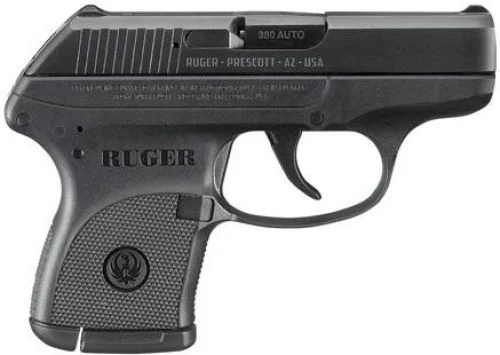
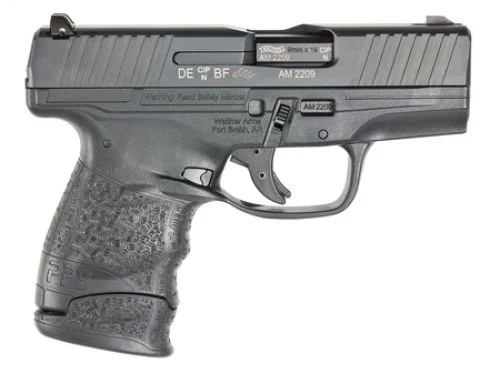
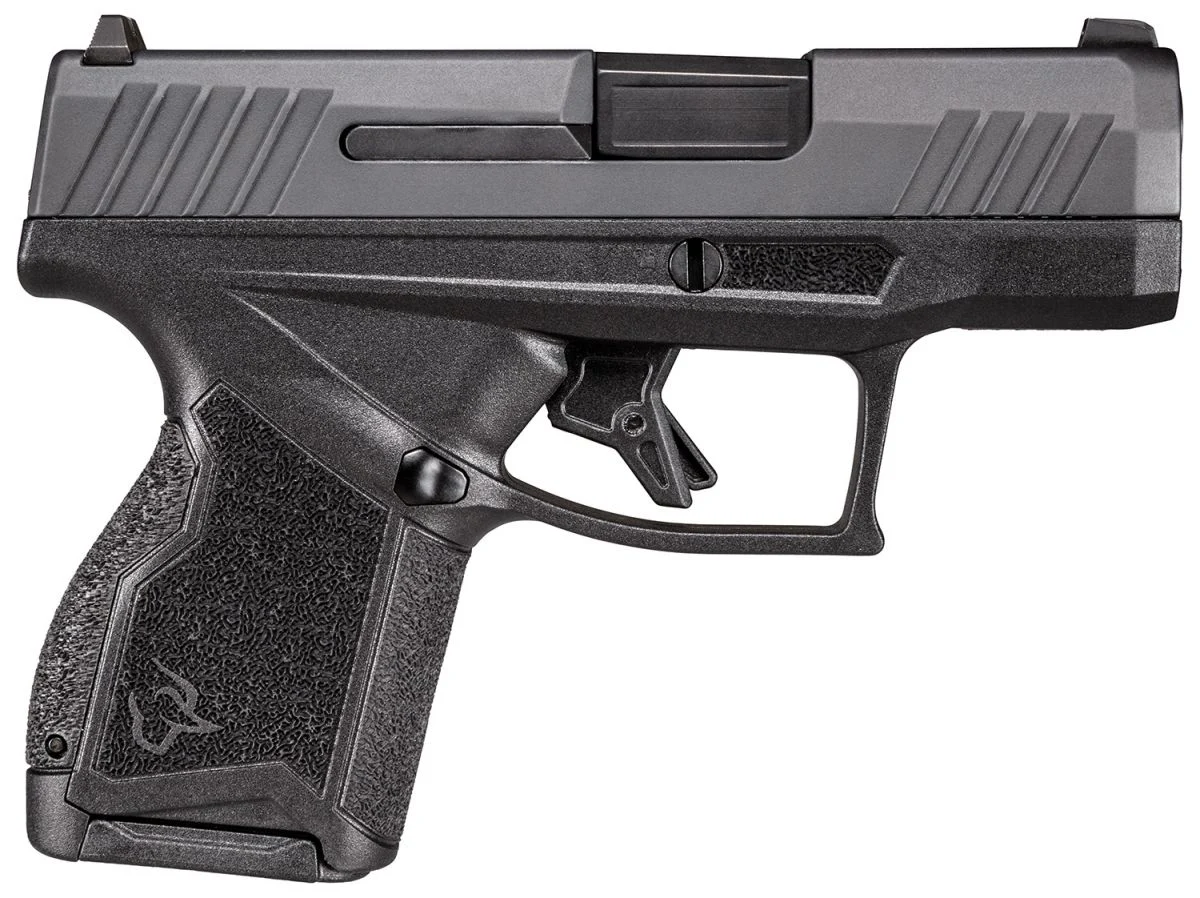
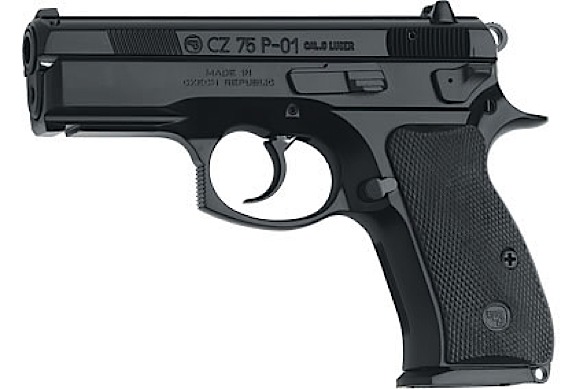
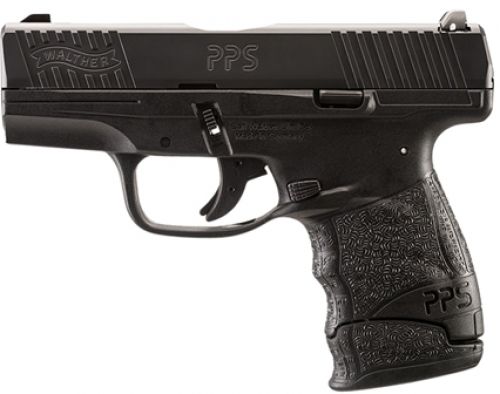
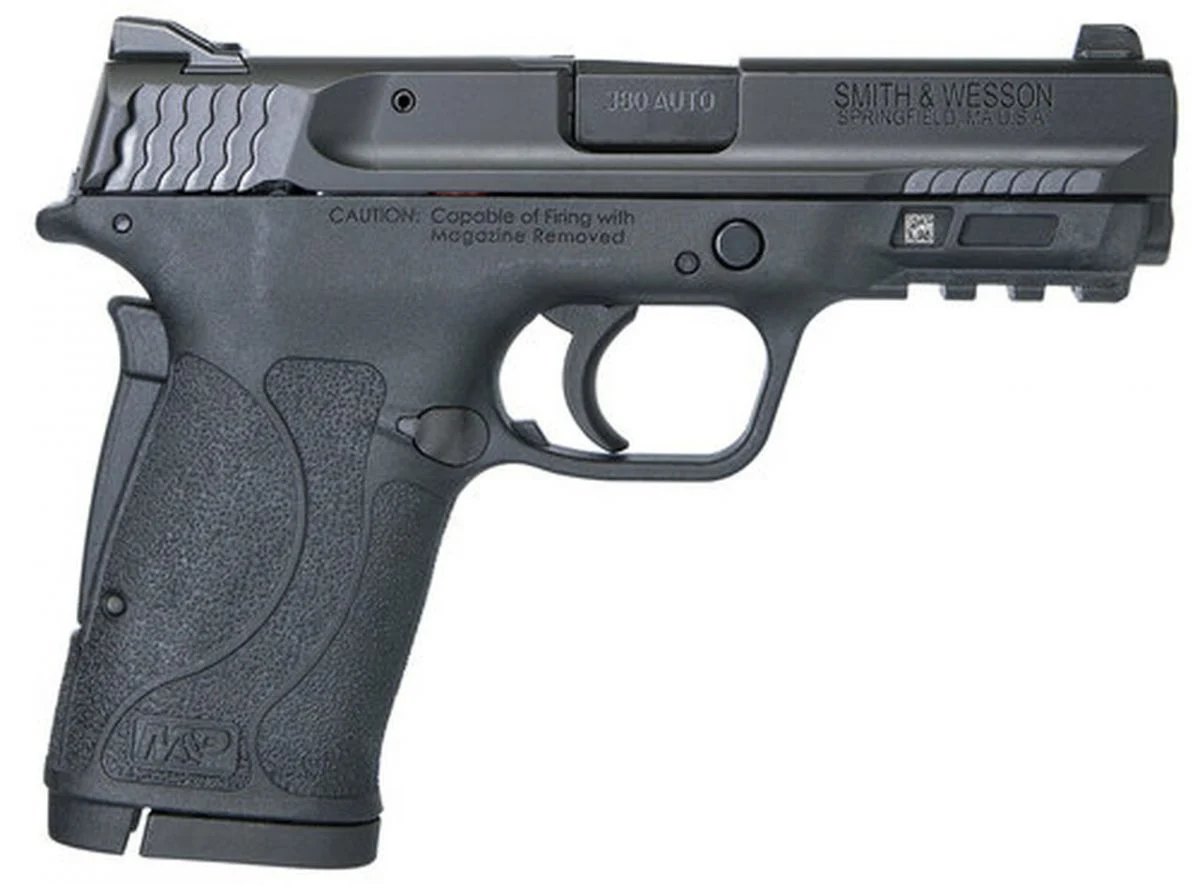
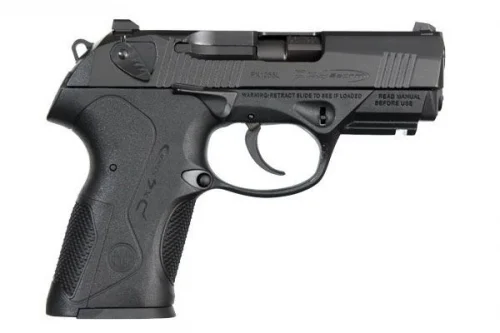
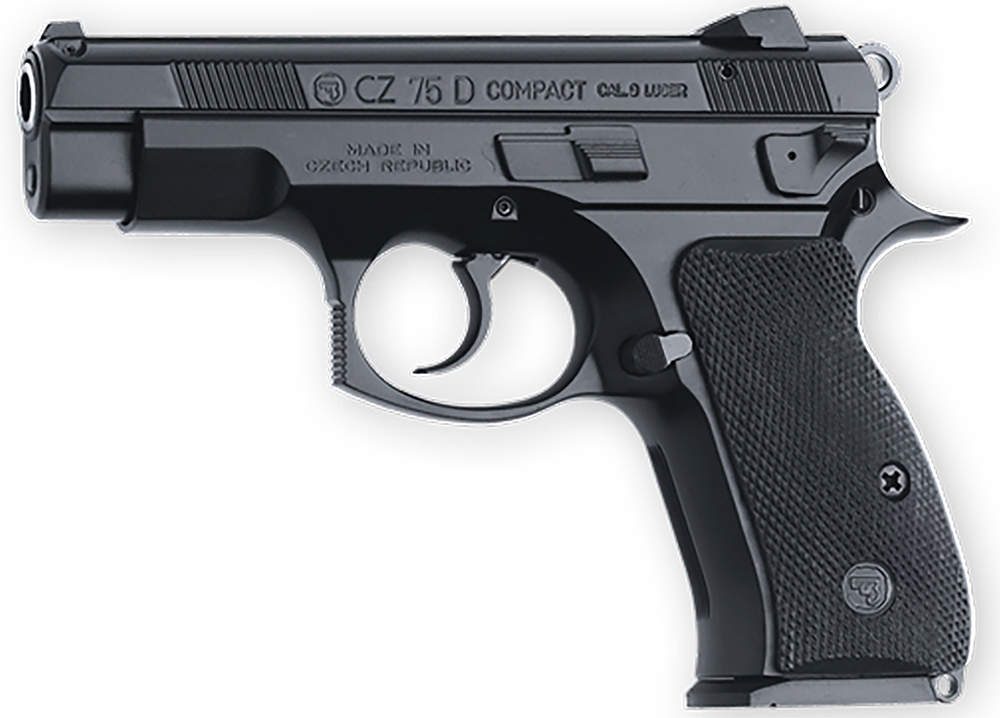
Two state rules drive the choice. Magazines are limited to 10 rounds while the current stay is in force, so a compact pistol that was designed around a 10 to 15 round magazine loses less than a full size duty gun does. And any pistol you buy needs its own permit to purchase, with only one handgun in any 30-day period, so most people buy one carefully rather than three quickly.
That points to slim single stack and micro compact nines, to 9mm in general over larger cases because practice ammunition is cheaper, and to guns with a decent factory sight picture or an optic cut if you intend to add a red dot. Try before you commit where you can. Hollow point ammunition is legal to own and to keep at home, but remember that carrying it is restricted unless you hold a permit to carry or fit one of the statutory exemptions in N.J.S. 2C:39-6.
Related reading
Start with New Jersey gun laws for the card and permit process that comes first, and the High Bridge buying guide if you are in the northwest. Carry pistols and holsters are in the catalogue, and our city pages cover the local police departments you will be dealing with.
General information, not legal advice. Current as of September 2026. Laws change; check the official source before you act.